
Menu
Dangerous goods (DG) are liquids, gases and other substances that pose a potential threat to equipment and staff who carries out transportation. Based on this designation, one might think that hazardous goods are used only in the chemical industry or other complex industries. But even household appliances can have a hazard category. For example, batteries for phones and laptops are also considered hazardous.
When it comes to the international transportation of dangerous goods, you should understand that you cannot do it without special equipment and qualified personnel. Firstly, such transportation requires special permission, and secondly, without certain knowledge and specially equipped transport, people, equipment and even the environment, it can be dangerous. Therefore, such transportation should be trusted only to professionals such as Feniks Cargo.
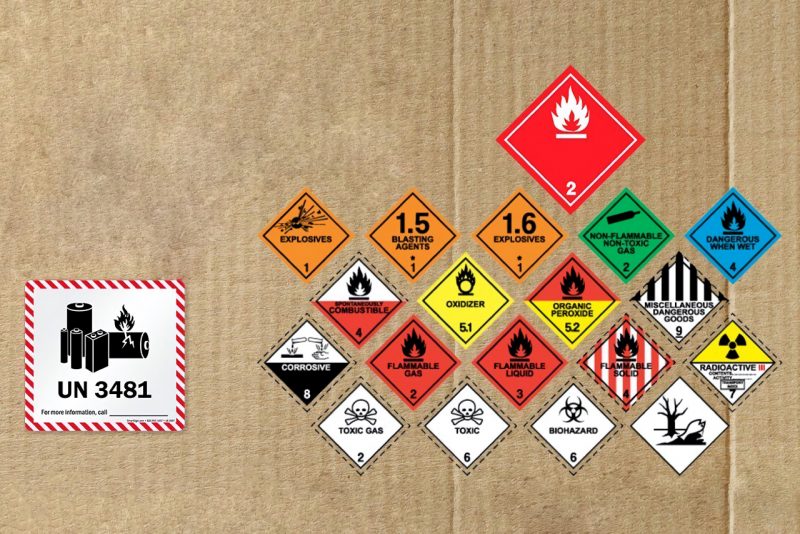

In international cargo transportation, a unified classification of dangerous goods has been adopted. They are divided into 9 classes:
Moreover, each of the classes is divided into several more subsections. When planning the transport of dangerous goods, the category of hazard should be determined in the beginning.
The transportation of dangerous goods is regulated by a number of international documents and agreements:
In addition to the standard set of documents, regardless of the chosen vehicle, you must provide the carrier with an MSDS certificate – a cargo safety data sheet. This document contains all the characteristics of the object with a guide for transportation and handling. Without this document, delivery of dangerous goods is impossible.
Unified marking must be placed on the packaging, container or vehicle. Among other things, information about the hazard class, the UN code, as well information/requirements for emergency situations are applied – they inform the rescue services on how to properly eliminate a leak or fire.
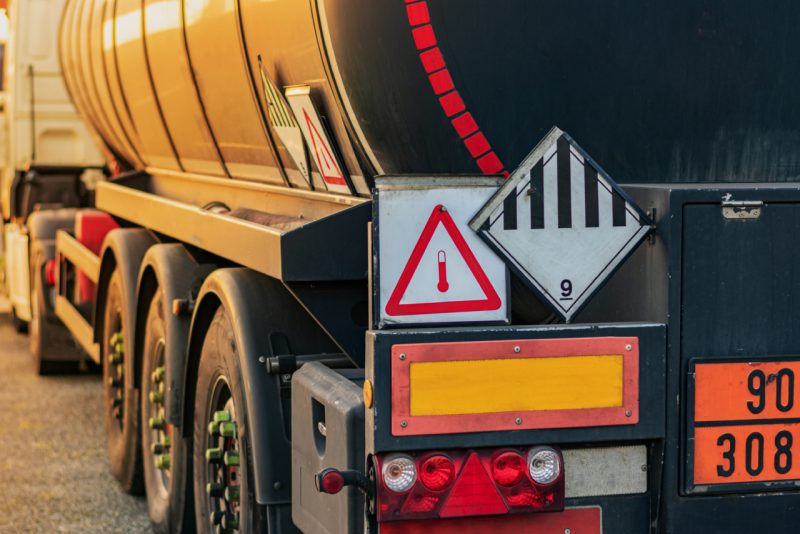
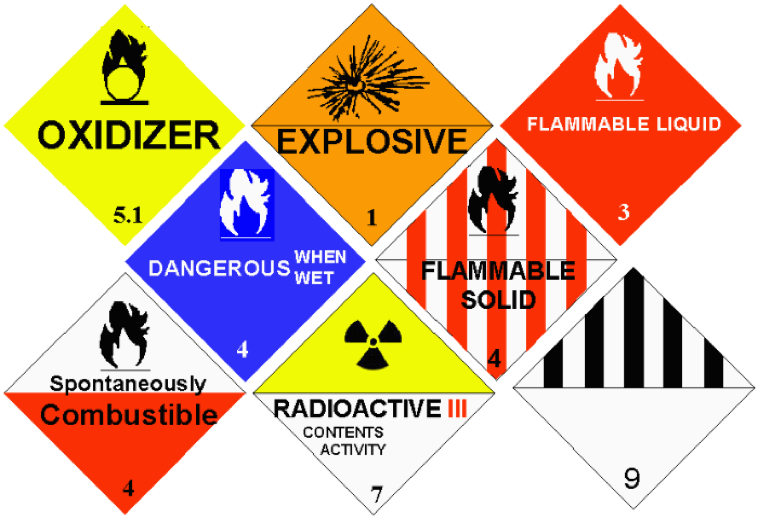
When choosing a vehicle for transportation, it is necessary to clarify if there are any additional restrictions.
For example, airplanes cannot transport:
It is important to remember that a certain type of cargo may be permitted by international conventions, but the legislation of the country of delivery or transit may impose a ban on import.
If you need to transport dangerous goods, contact us and our managers will explain all the details and select convenient transportation options.